

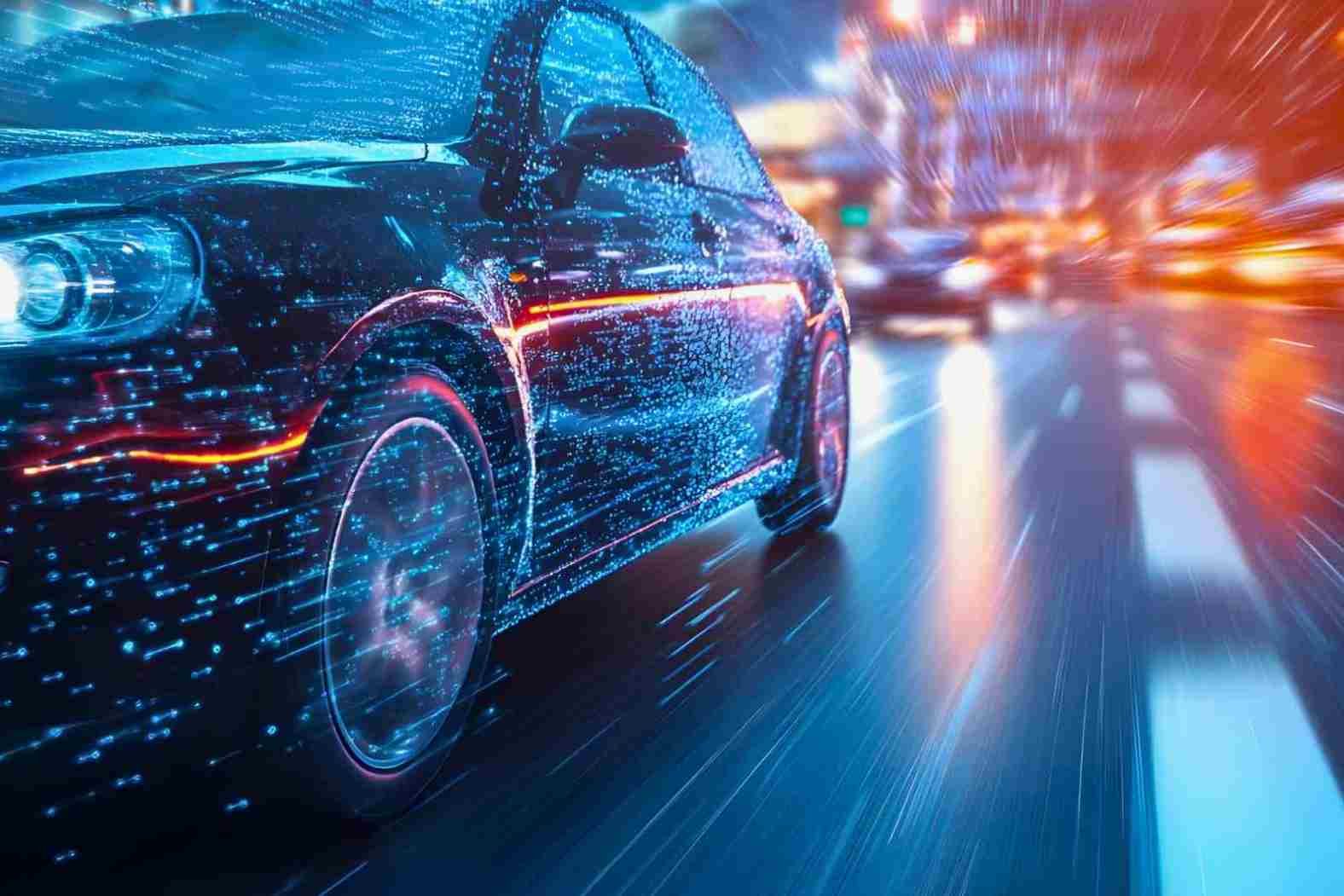
The automotive industry is currently undergoing one of the biggest technological revolutions in its entire history. But modern vehicles are not just machines that people use to get from on point to another; they are becoming systems capable of assisting the driver, improving road safety and ultimately driving themselves. This change is centered around autonomous vehicles and smart- driving automation.
With technologies such as sensors, cameras, AI and machine learning to drive without human intervention, autonomous vehicles (self-driving cars) The same smart driving systems that are helping drivers make safer and more efficient decisions on the road. These innovations are redefining transport and revolutionizing perception in the mobility arena.
Understanding Autonomous Car Technology
A self-driving car (also known as an autonomous car) is a vehicle that utilizes the advanced software and sensor systems to drive without the need for a human. Those vehicles gather data from their environment and analyze the road conditions, traffic patterns and obstacles using artificial intelligence. This information is processed in real time by the system to control steering, acceleration, braking and navigation. The goal of autonomous technology is to limit the need for human drivers while enhancing road safety and transportation effectiveness.
Levels Of Driving Automation
Autonomous driving technology is generally classified into levels with varying degrees of automation. These levels span from basic driver assistance to full self-driving capability.
The main automation levels include:
- Driver Assistance: Basic features including cruise control and parking assistance
- Partial Automation: These systems may handle steering and speed in limited scenarios
- Conditional Automation: The system can manage most drivingbut still needs monitoring by a human
At higher levels of automation, vehicles will ultimately be capable of running with no human intervention whatsoever.
Smart Driving Technologies From High Tech Cars
But even before we get to fully autonomous cars, many smart driving technologies designed to help improve safety and convenience are already built into our vehicles. They also help the driver by monitoring road conditions, and maintaining safe control of the vehicle to avoid any accidents.
Here are some smart driving features that you can have:
- Traffic-aware adaptive cruise control
- Lane-Keeping Assist with lane centering
- Automatic emergency braking that spots potential collisions
These technologies help in reducing the fatigue of drivers and make them a lot safer overall for being on the road.
The Impact Of AI Technology On Self-Driving Cars
Self-driving technology relies heavily on artificial intelligence. AI systems enable vehicles to process complex environments and make decisions like those made by human drivers.
To enhance the accuracy of automotive decisions, machine learning algorithms analyze vast amounts of driving data. Over time, these systems learn to handle different types of driving situations such as pedestrians crossing the street, traffic signals, and changing weather conditions.
Adaptive and capable AI-driven systems form the backbone of dependable and safe autonomous driving.
How Cars Know What Is Around Them Sensors And Cameras
Autonomous vehicles use multiple sensors and cameras to perceive their environment. These systems take a detailed view of the environment surrounding the vehicle. Radar, lidar, and high-resolution cameras are some of the common sensor technologies used in various applications. These devices assist the vehicle in recognizing objects, measuring distances, and tracking movement on the road. Autonomous cars combine information from disparate sensors to accurately build a 3D representation of the driving environment.
Benefits Of Autonomous Driving Technology
There are many potential advantages of autonomous vehicles to society. This is one of the biggest benefits. Human error is a big cause of road accidents, whether that be distracted driving or fatigue. Self-driving systems can respond faster than humans, and keep their attention focused on road conditions at all times. Other advantages could be less traffic and improved transportations systems.
Key advantages include:
- Less risks of accidents caused by human error
- Traffic flow and fuel consumption improvements
- Best Use Cases for Starlink Internet
Such benefits may change the future of travel.
Challenges Facing Autonomous Vehicles
Even though autonomous cars have advanced considerably, they still can’t drive unassisted. Building systems that cover every potential driving situation is incredibly complicated. Autonomous driving can be challenging due to variable weather, behavior of other road users and a complex urban environment. There are also concerns about cyber security, data privacy and system reliability. Moreover, the speed at which autonomous cars become commonplace will depend heavily on legal regulations and public acceptance.
An Influence On Transportation And Urban Design
Autonomous cars could replace all the existing taxis and buses in a transportation system. As smarter vehicles take to the road, traffic management could become both more efficient and reliable. Autonomous transportation in the form of ride-sharing may eliminate privately owned cars from cities. This can result in the decreased need for parking and more effective utilization of urban space. Cities could also have to modify infrastructure in order to accommodate smart transportation networks.
Smart And Autonomous Vehicle Technology Trends
Broadly speaking, the future of cars will be about automation and connectivity. You won’t be surprised to learn that cars will communicate with each other and traffic infrastructure for safety and efficiency. There are technologies that will most probably enhance the capabilities of self-driving vehicles such as artificial intelligence, sensor technology, computing power. Although fully autonomous cars may still be years away, smart driving technologies are already defining the next generation of vehicles.
Conclusion
Self-driving cars and smart driving technology are the next generation of motor vehicles. Designed to leverage AI, next-gen sensors and automated systems, these vehicles have the potential to enhance safety, decrease traffic jams and revolutionize how we travel. Despite the fact that a number of technological and regulatory issues must yet be resolved, it is clear from recent advances in smart vehicle technology that autonomous transportation will form an integral part of future mobility. With innovation continuing to grow, cars of the future will be smarter, safer and more connected than they’ve ever been.
FAQs
Q1. What Are Autonomous Cars?
Self-driving cars, also known as autonomous vehicles, are capable of traveling without the need for human intervention through the use of sophisticated technology and AI.
Q2. The Current Reality of Fully Self-Driving Cars
Today, most vehicles have partial automation and fully autonomous cars remain in development.
Q3. The Technologies That Power Self-Driving Cars
They incorporate sensors, cameras, artificial intelligence, radar and lidar systems.
Q4. The Potential of Autonomous Vehicles for Safer Driving
Yes, which is one reason that they want to decrease accidents caused by human error.
Q5. When Will We See Self-Driving Cars?
A widespread adoption will take some years as the technology and regulations are still working out.

