

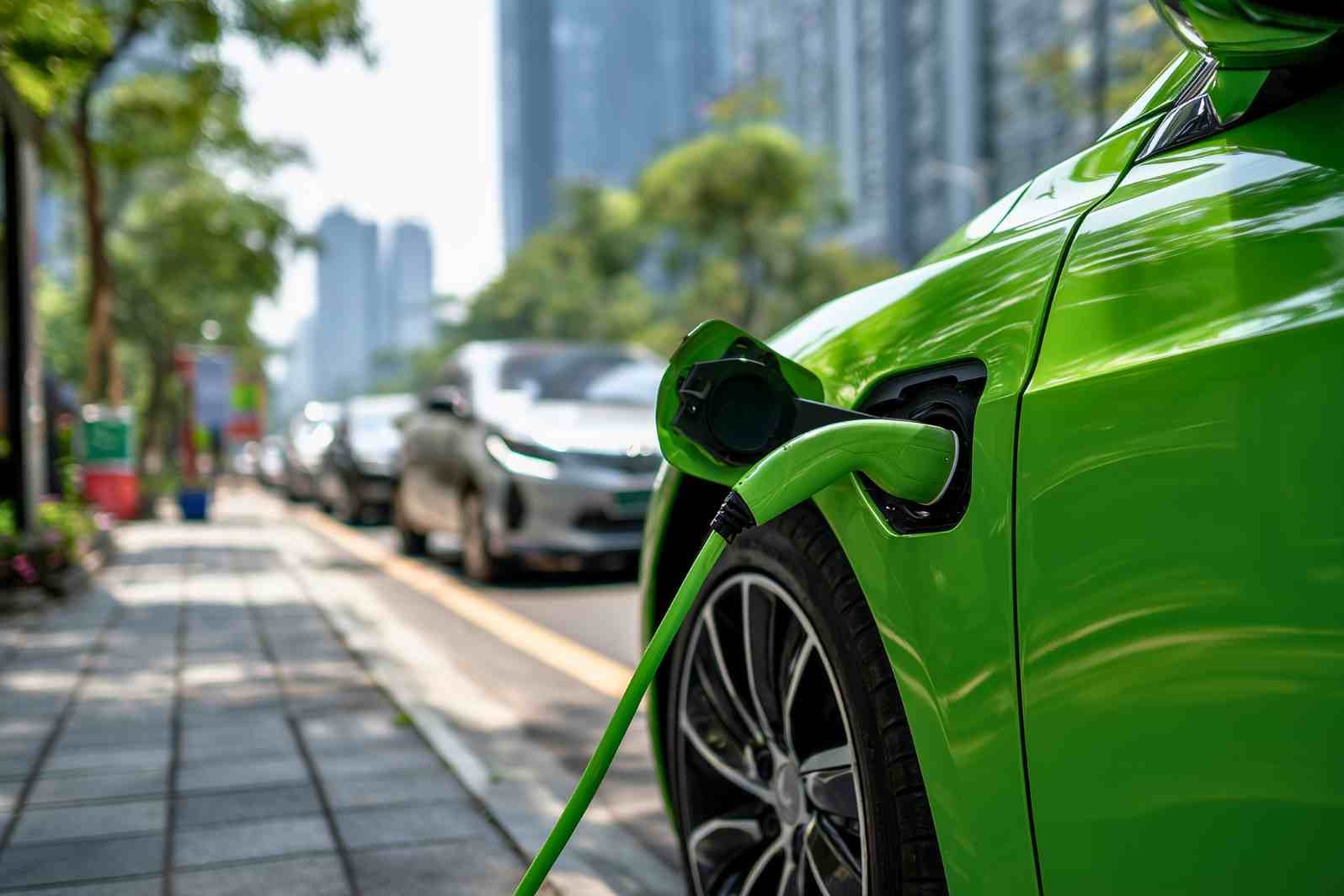
Automotive manufacturing is advancing quickly, with companies producing more efficient and greener vehicles. The hybrid car is one of the most trendy innovations in modern transportation. They can use a combination of an internal combustion engine with an electric motor for more efficient fuel use and fewer emissions. With petrol and diesel getting more expensive and our concern for the environment needing to grow, many car buyers are looking towards hybrid cars as a solution. But in deciding on the best type of vehicle to buy, you need to know how hybrid vehicles actually work and then how they stack up against traditional engines.
Understanding What Hybrid Cars Are
Hybrid cars are cars that rely on two different power sources for operation. Most hybrids pair a petrol engine with an electric motor that draws its power from a battery. The electric motor helps the engine while driving most notably, that’s during acceleration or low-speed movement. This combination reduces the amount of fuel consumed while still maintaining a decent level of performance. Hybrid systems can dynamically switch between the engine and electric motor, depending on driving conditions. Through this smart energy management, the overall efficiency is enhanced.
Types Of Hybrid Vehicles
Hybrid vehicles can take many forms depending on how the electric motor and engine interact. Each delivers various states of efficiency and electrical assistance.
The most common kinds of hybrids are:
- Full hybrids: These cars can operate on the engine alone, the electric motor only or both at once.
- Mild hybrids: The electric motor supports the engine but it won’t drive the car by itself.
- Plug-in hybrids: These vehicles have larger batteries that may be externally charged and enable longer electric-only driving.
Explaining these types helps a buyer decide which hybrid system may suit them best.
How Hybrid Technology Improves Fuel Efficiency
Hybrid cars have some advantages, and better fuel efficiency is among the top. The electric motor assists the petrol engine to take off the load when in city driving conditions with high stoppage and starting frequencies. Hybrid vehicles also feature regenerative braking. This system helps trap energy that would be wasted when the car brakes and uses that to recharge the battery as electricity. These technologies reduce fuel consumption in hybrid vehicles compared with conventional petrol or diesel cars.
Hybrid Vehicles Compared to Petrol Cars
That is why vehicles running on petrol are commonly used as they are more reliable, easy to maintain, and relatively affordable. However, petrol engines are more fuel consuming than hybrid systems in dense traffic. However, because hybrids feature sales more complex electric elements, they tend to enjoy a higher upfront cost than normal petrol automobiles.
Hybrid Cars Vs Diesel Cars Comparison
Diesel vehicles typically provide better torque delivery and more fuel efficiency when compared to their petrol counterparts, especially during longer trips. Many diesel engines are excellent for highways, as well durable. Hybrid cars, by contrast, tend to excel in urban conditions where the electric motors cut fuel consumption during stop-and-go driving.
Environmental Benefits Of Hybrid Cars
Hybrid vehicles emit less than standard-petrol and diesel cars. It burns less fuel while driving because it is assisted by the electric motor. Less fuel use means also less carbon dioxide release and thus contributes to the environmental footprint of transport. Hybrid technology is widely viewed as a stopgap between gas-powered cars and EVs.
Advantages Of Hybrid Vehicles
Today we are going to talk about pros of Hybrid cars which encourage Buyers in modern car buy.
Some key advantages include:
- Improved fuel economy over traditional cars
- Decreased emissions and less environmental footprint
- Smooth and quiet driving experience
Furthermore, regenerative braking and energy management systems offer improvement in the overall efficiency of the vehicle.
Potential Limitations Of Hybrid Cars
Hybrid cars certainly also have their disadvantages which consumers need to keep in mind. Purchasing an electric vehicle can typically cost more initially than a petrol or diesel comparator.
The complexity of hybrid systems and the technology involved in batteries can also result in maintenance and repair costs that are higher than if you were to own a traditional gas-powered vehicle. In addition, hybrid vehicles may not offer much fuel savings for drivers who do a majority of highway driving.
Future Of Hybrid Technology
Hybrid technology has become more refined as manufacturers develop increasingly efficient batteries and electric motors. This has prompted many car companies to release new hybrid models, many with better performance and longer ranges in electric-only driving.
Production scale up and technology advancement also lead to more price competitive hybrid vehicles. Incentive and environmental regulations are encouraging hybrid adoption by governments in several of the worlds countries.
Conclusion
Hybrid cars are an innovative strategy for increasing vehicle efficiency and decreasing environmental impact. Hybrid vehicles combine petrol engines with electric motors, improving the fuel consumption and lowering the emissions against traditional petrol and diesel cars. Although they are often more expensive to buy, they can save money on fuel in the long run and have many eco-friendly features that make them a viable choice for drivers. Whether hybrid cars really are better than petrol or diesel vehicles all comes down to personal driving requirements, budget and environmental concerns.
FAQs
Q1. What Is A Hybrid Car?
A hybrid car is a vehicle that gets it function from both a petrol engine and an electric motor.
Q2. Do Hybrid Cars Have Better Fuel Consumption than Petrol Cars?
Yes, hybrid vehicles typically offer a higher fuel performance, particularly for city driving.
Q3. Do Hybrid Cars Require Charging?
Most regular hybrids do not need to be plugged in, but there are plug-in hybrids.
Q4. Do Hybrid Cars Cost A Lot To Maintain?
Maintenance might be higher at times because of more advanced components and battery systems.
Q5. Hybrids Are They Better For The Environment?
Yes, they typically have lower emissions than conventional petrol and diesel vehicles.

