

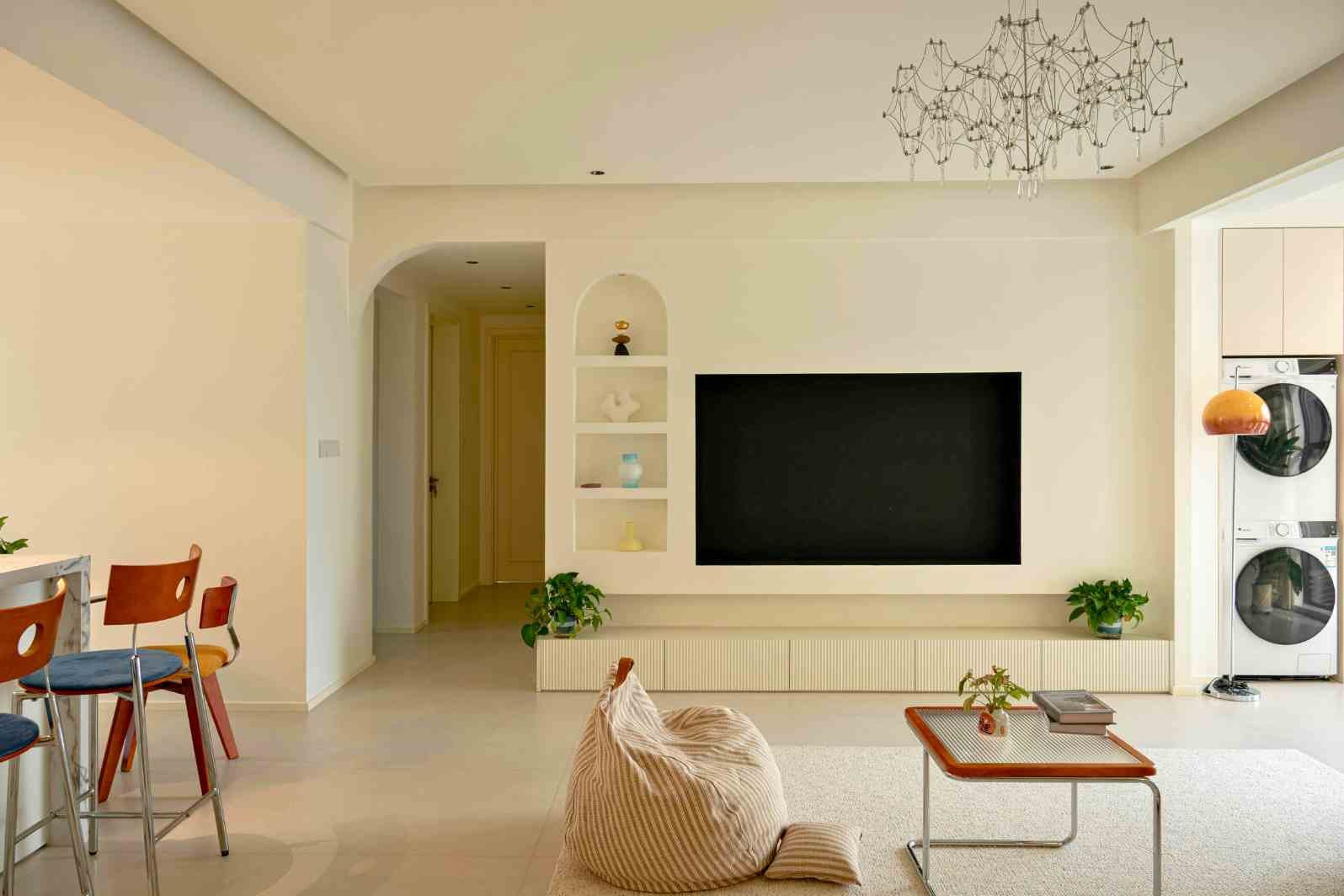
In the hustle and bustle of modern life, we often find ourselves overwhelmed by distractions, consumption and pressure to own more material possessions. The modern lifestyle promotes consumption, hustle culture, wealth and success. But chasing what we want can result in stress, clutter and dissatisfaction. Here lies the formation of a minimalist lifestyle. And minimalism isn’t about eliminating everything and living under austere limitations. Instead, it is about prioritizing the important aspects of life and eliminating superfluous distractions. By embracing less, people usually experience more freedom, clarity and happiness.
Understanding The Meaning Of Minimalism
Minimalism is a lifestyle philosophy. We must learn instead to prioritise experience over things. The minimalist lifestyle does not mean eliminating everything in your life and living under a rock. Instead, it’s about being deliberate with what you own and how you spend your time and energy.
The Reasons Behind Minimalist Living
Today, many of us struggle with cluttered homes, packed schedules and financial stress from consuming too much. minimalism would be one actually, an alternative of minimalism is focused on simplicity and balance. Those who practice minimalism often say they feel less stressed and more in command of their lives. Cutting at possessions and commitments that are not necessary leaves more room for meaningful activities and relationships. Having fewer possessions can also make it easier for people to avoid the endless cycle of consumer pressure.
Decluttering Your Living Space
Here is a step towards minimalist life declutter your home. Most homes tend to collect things over the years that go mostly unused and unneeded. Letting go of the junk creates more harmony and order in life. An uncluttered living space can help maintain focus and minimize daily stress.
Some simple decluttering strategies include:
- Donating or recycling unused items
- Having only things that are useful or valuable
- Creating practical ways to organize possessions
Decluttering can be the first step toward making life simpler.
Simplifying Daily Routines
It also applies to simplifying the things you do in a day. Overcommitment in life too many responsibilities and activities. Reducing stress and improving productivity by focusing only on the most meaningful tasks Less elaborate routines give us more time for joy, artistry, and self-discovery. Minimalism inspires people to practice intentional living instead of running through everyday life.
Financial Benefits Of Minimalist Living
Living a minimalist lifestyle helps better manage finances. If people stop buying what they do not actually need, they will automatically spend less. Less spending leads to more saving for the things that matter most in life be it travel, education or financial security. Another advantage of minimalism is that it prevents people from getting into debt because they act on impulse and buy things unnecessarily.
Here are some financial perks of minimalism:
- Lower monthly expenses
- Increased savings opportunities
- Reduced financial stress
When you have less, you often create more freedom.
Improving Mental Clarity And Focus
Disorganization and overstimulation will prevent you from working at peak mental performance. Minimalism is a way to eliminate unnecessary noise in daily life, ultimately enabling focus and clarity around what matters in one’s goals and priorities. A stripped-down environment tends to maximize productivity and ingenuity. With less distractions, you can focus more on work that matters and growth. One of the biggest advantages of minimalism is mental clarity.
Strengthening Relationships
Experiences and relationships are valued over possessions with minimalist living. As life becomes less about chasing possessions we aren’t able to bring with us when we leave this planet, there is more room in our lives for family, friends and deeper relationships. Time spent with family and friends often bring happiness over material possessions. Simplicity leaves room for these relationships to flourish.
Encouraging Mindful Consumption
Minimalism encourages you to make conscious decisions on purchasing and using products. Purchases become more intentional rather than bought on a whim.
This attitude promotes responsible consumption and minimizes waste. A lot of minimalist lifestyles overlap with eco-friendly living. Mindful consumption is good for individual health as well as the planet.
Emphasizing Experiences Over Material Items
Studies indicate that experiences tend to deliver more sustaining happiness than material goods. Having adventures, picking up new skills and enjoying family time make special memories. One of the core tenets behind this idea is that minimalism allows individuals to spend more money on experiences than objects. This change in priorities tends to increase satisfaction with life.
Long-Term Happiness Through Simplicity
The end goal of a minimalist lifestyle is not just less stuff but more life! People get time, freedom, and emotional balance by eliminating unnecessary distractions. Minimalism embraces what is most important: health, relationships, personal development and unforgettable experiences. This way of life will eventually bring lasting happiness and a greater sense of purpose.
Conclusion
In this minimalist guide to happiness, we explore actionable strategies that are backed by research, and offer practical tips on how to create a life you love through simplicity. Together with the idea of minimizing what they own, streamlining their day-to-day life, being frugal or wise with finances and living in a way to focus on experiences that matter rather than material possessions; all these help them achieve a more balanced and happier lifestyle. Essentialism isn’t about depriving yourself; it’s all about being mindful and making choices that are in line with your values. Less often means more freedom, clarity, and long-term happiness.
FAQs:
Q1. What Is A Minimalist Lifestyle?
It is a simple life and minimalist lifestyle that focuses on intentionality and not having too many things.
Q2. Does minimalism mean having a few possessions?
Not really; it keeps only what genuinely enriches your life.
Q3. Can Minimalism Improve Financial Health?
Yes, it usually cuts spending and raises saving.
Q4. Is Minimalism Difficult To Practice?
It is adopted bit by bit, decluttering belongings and life.
Q5. Does Minimalism Really Increase Happiness?
Meaningful experiences contribute more towards the well-being of people rather than materialistic belongings.

